
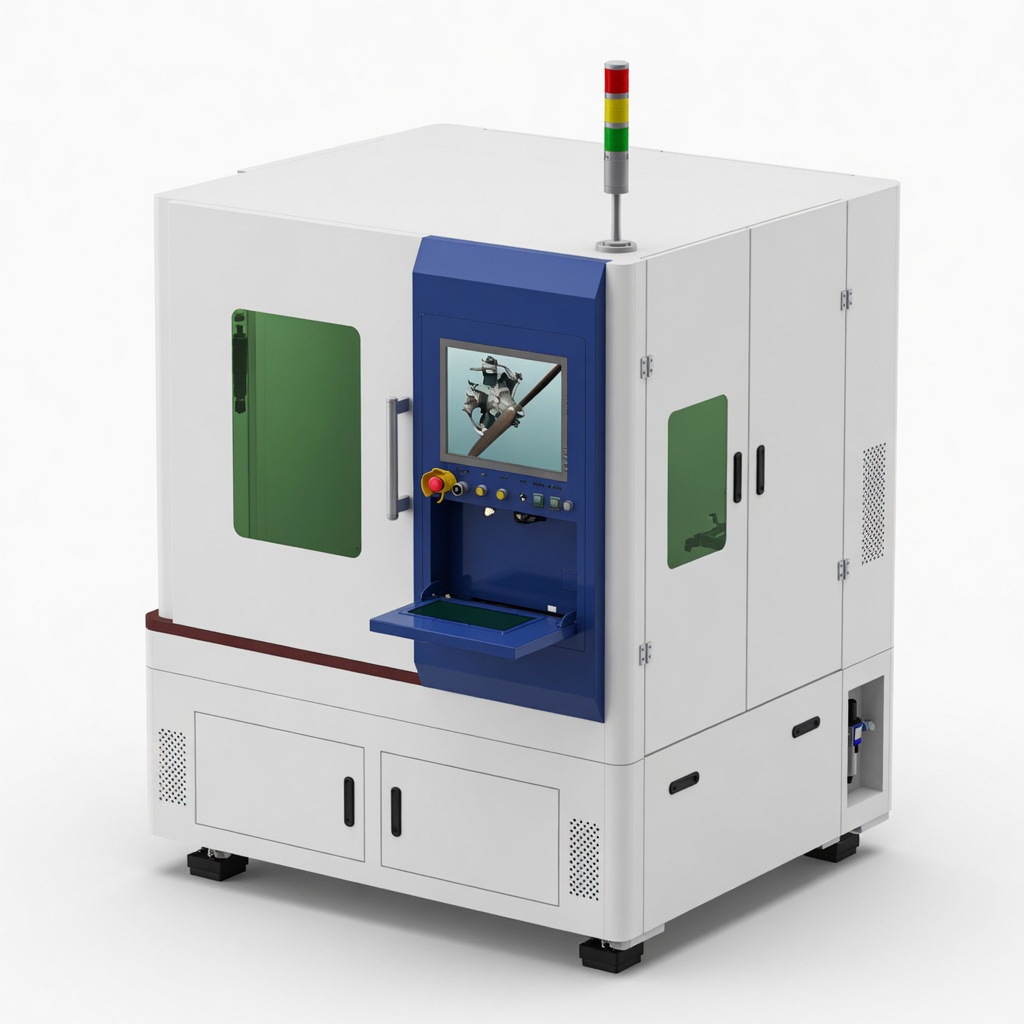
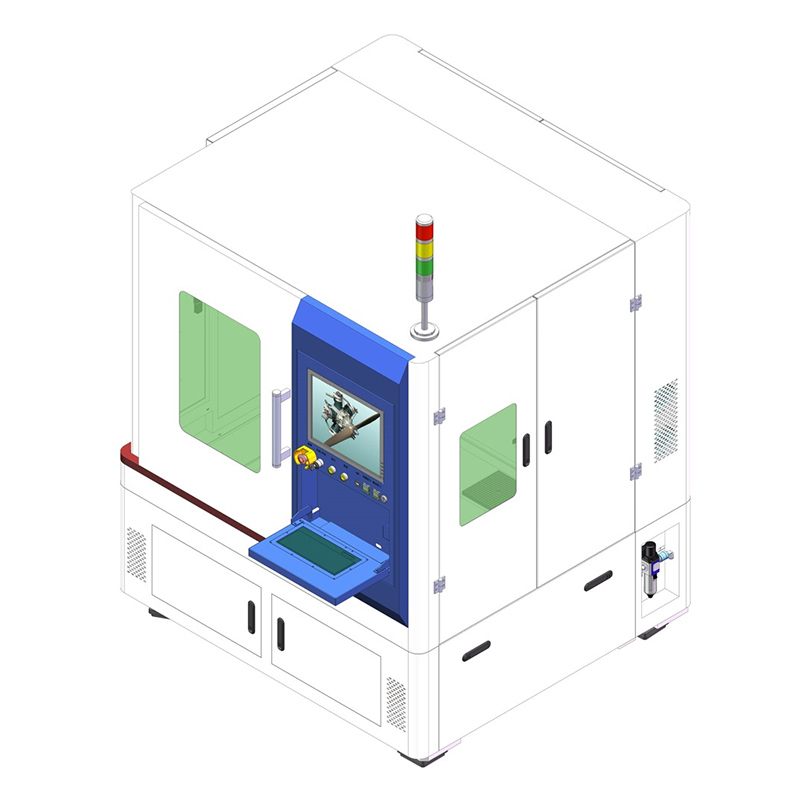
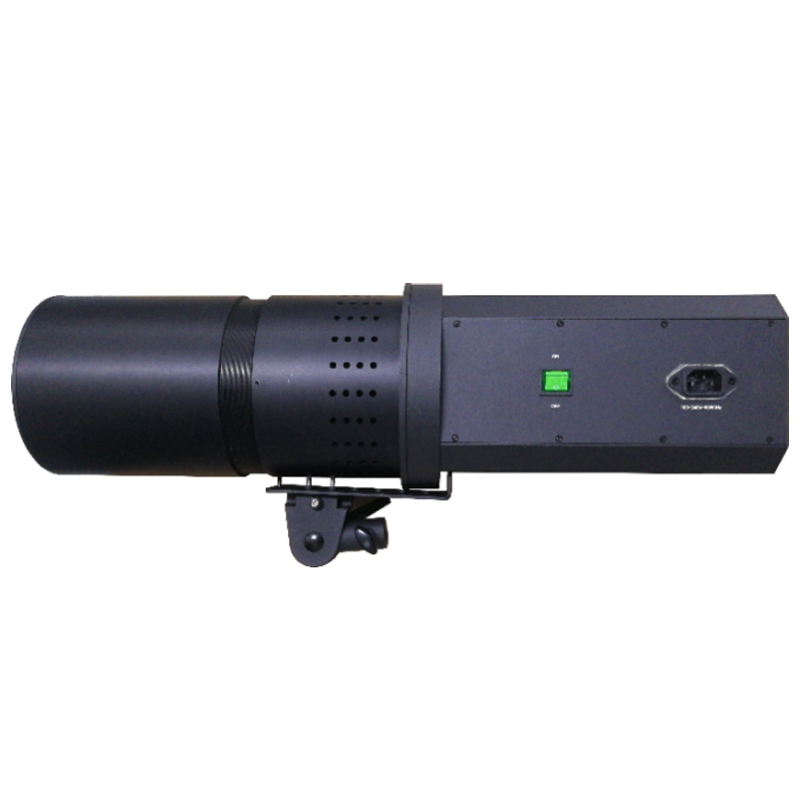
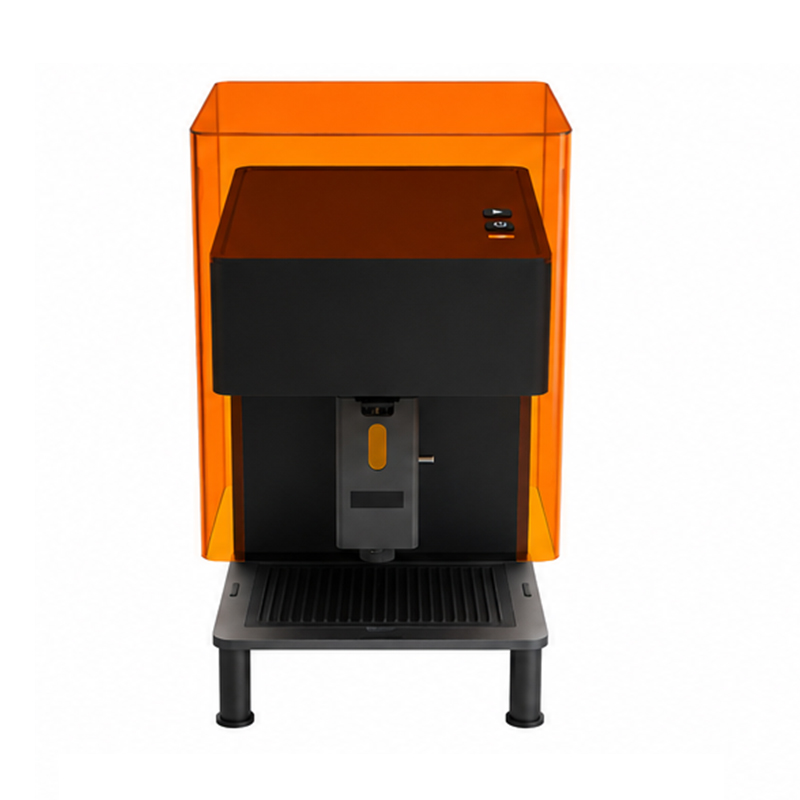
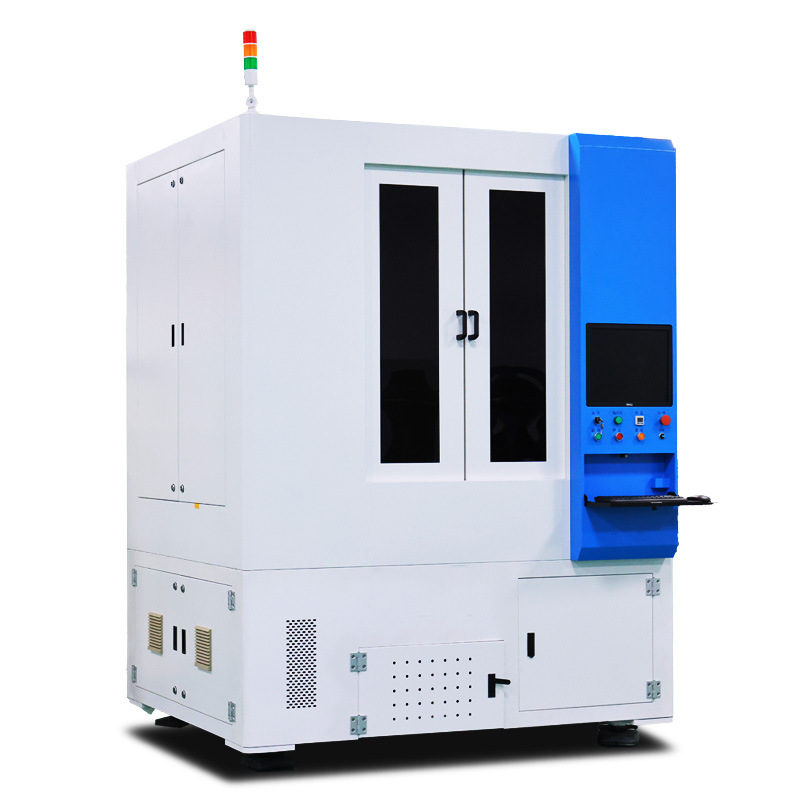
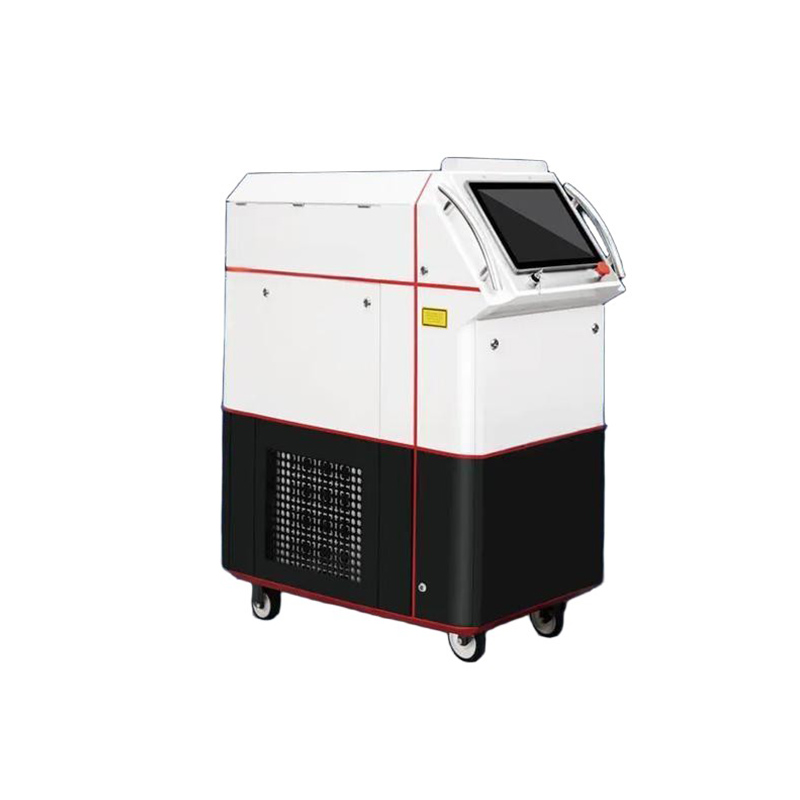
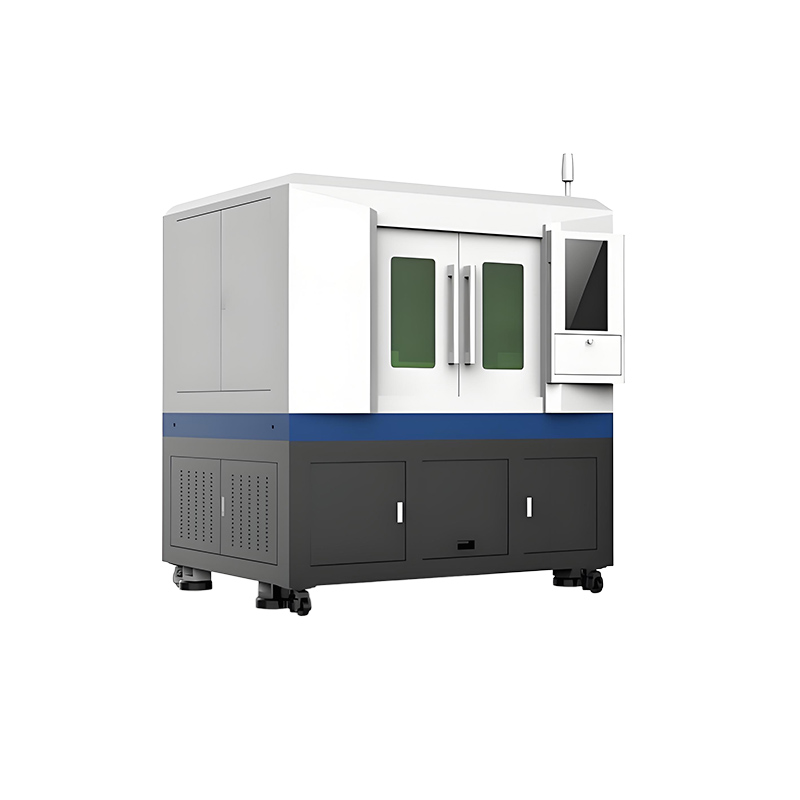
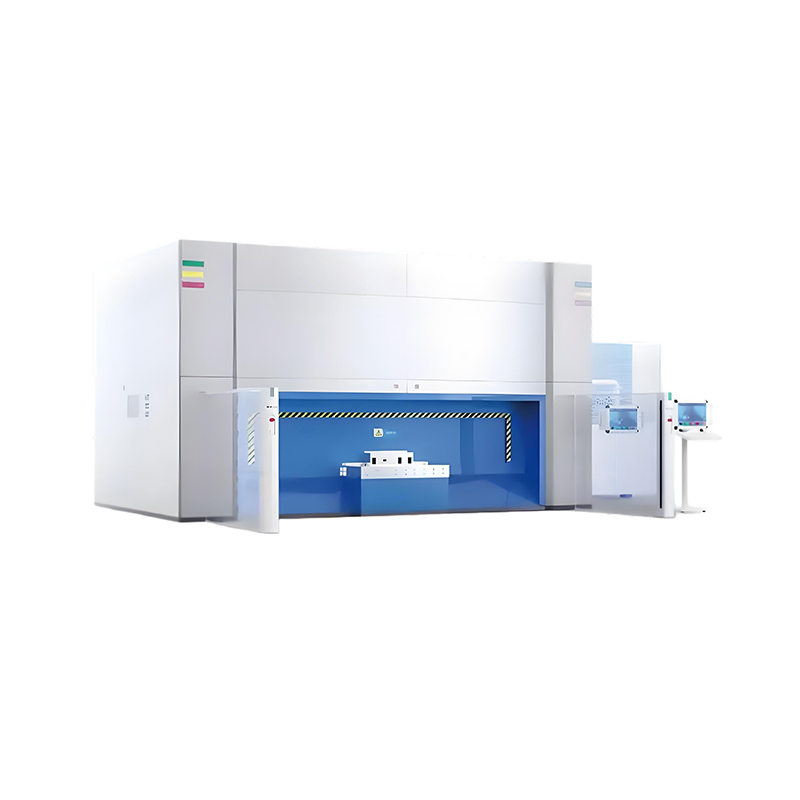
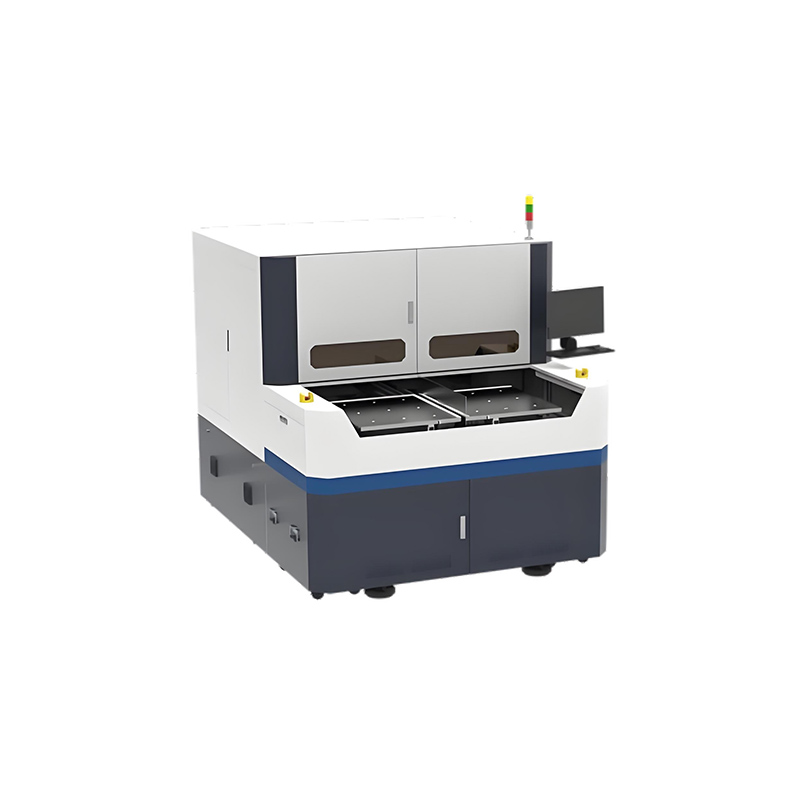
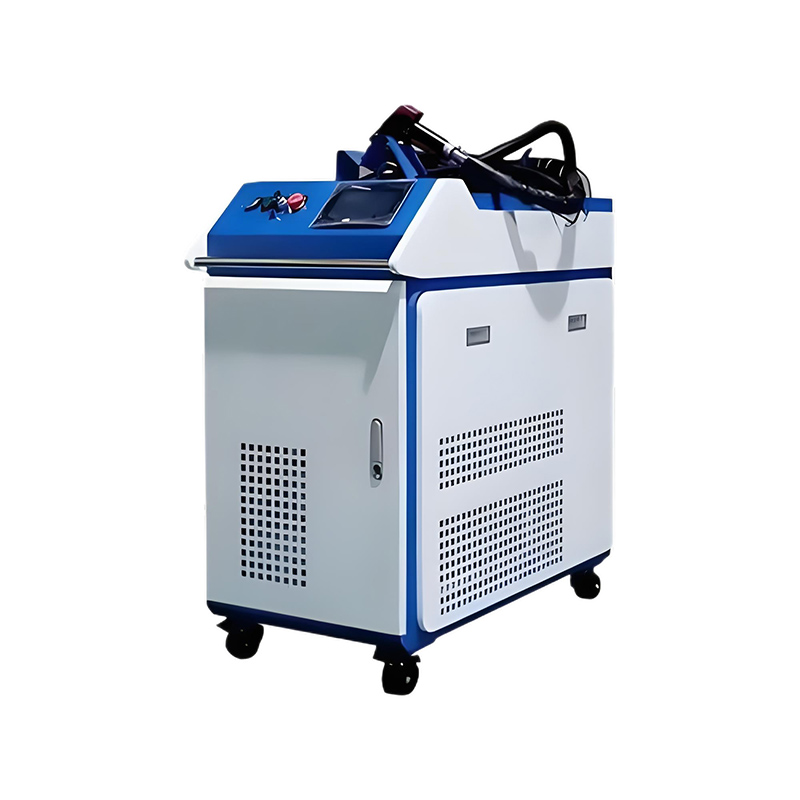
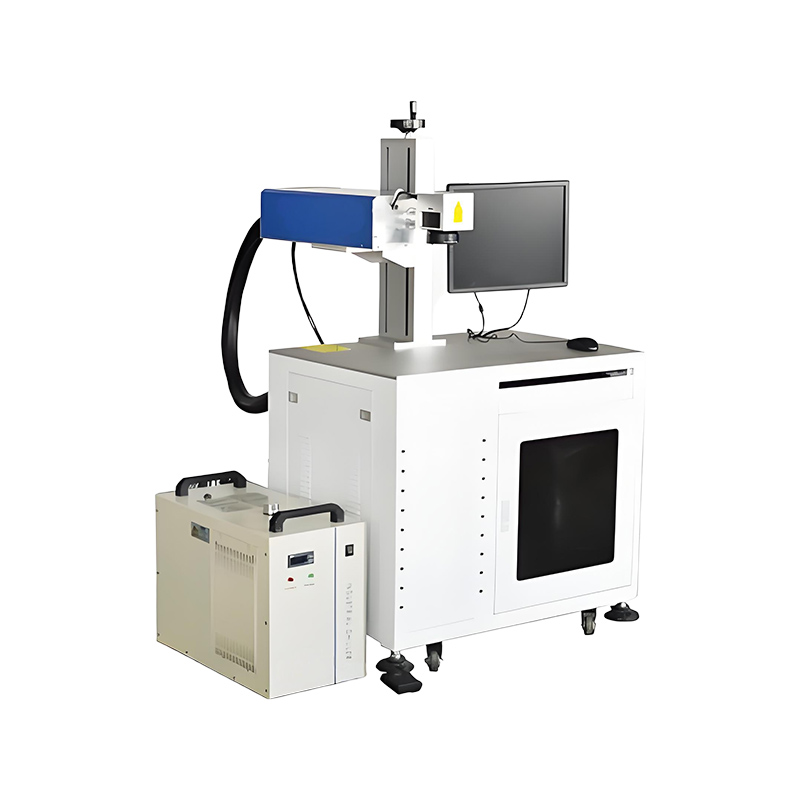
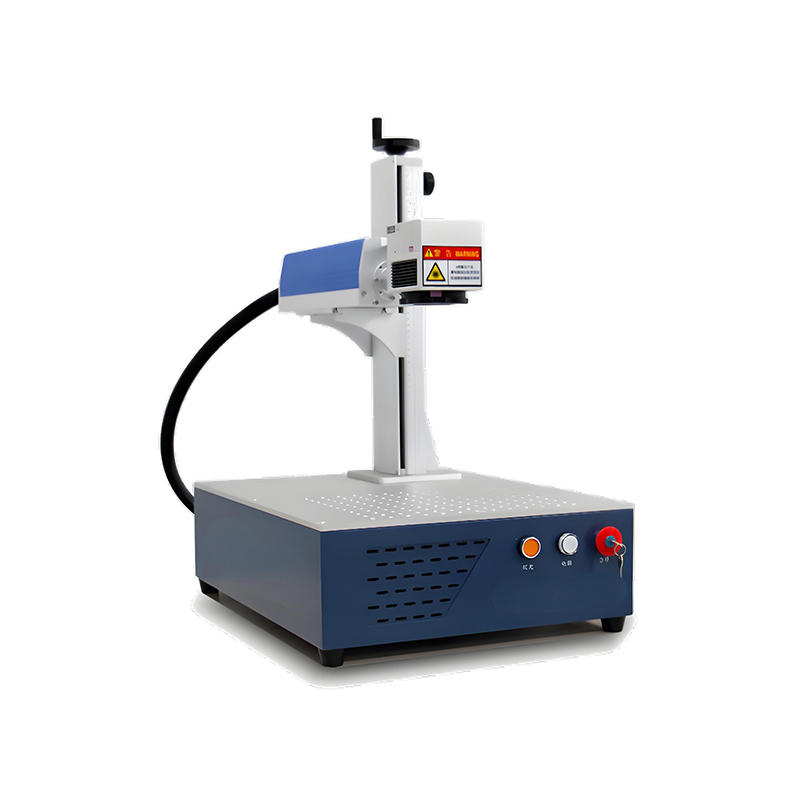
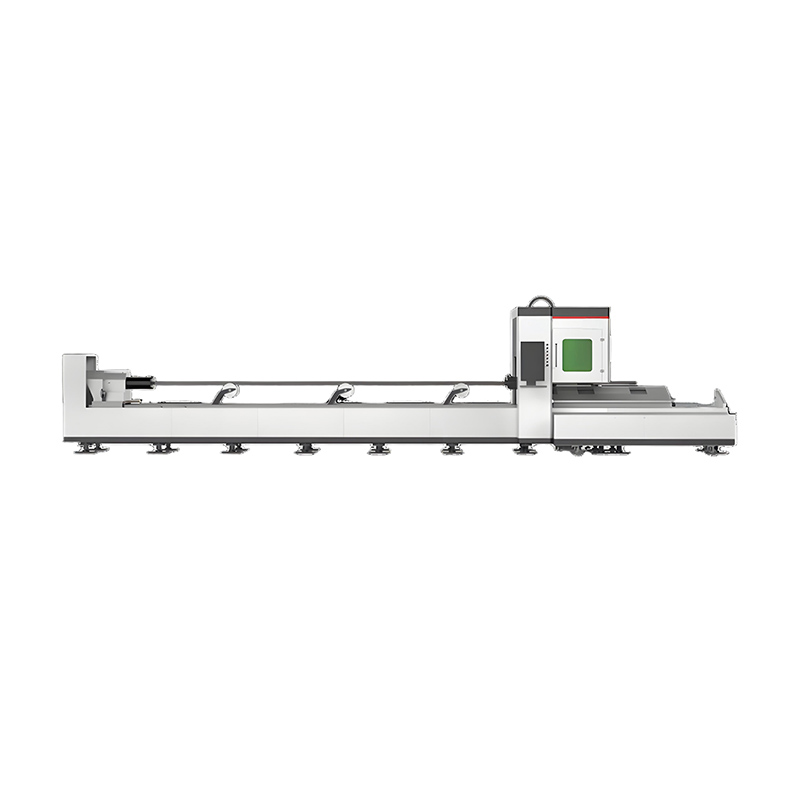
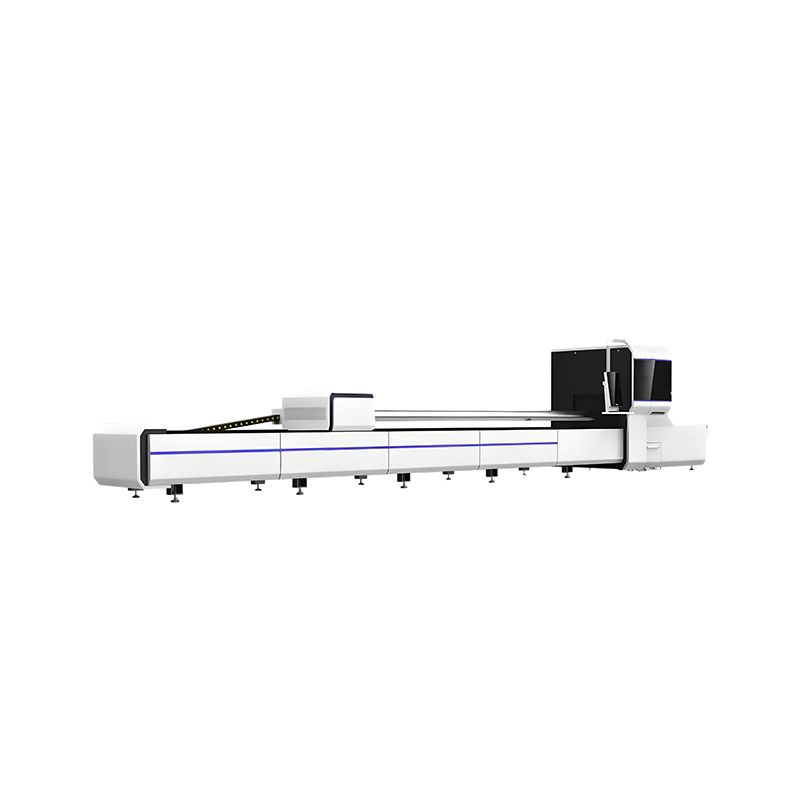
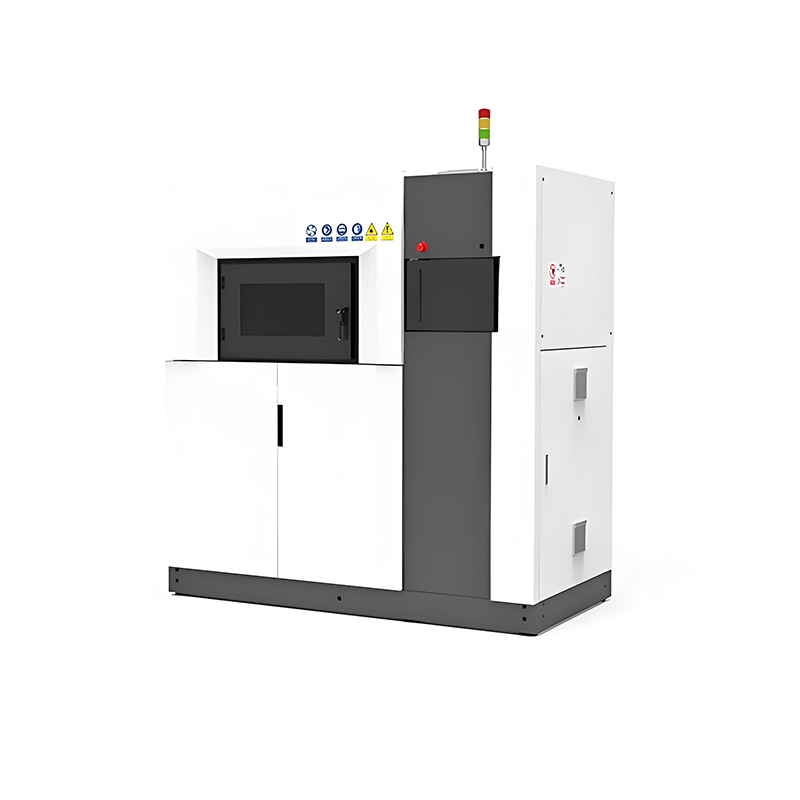
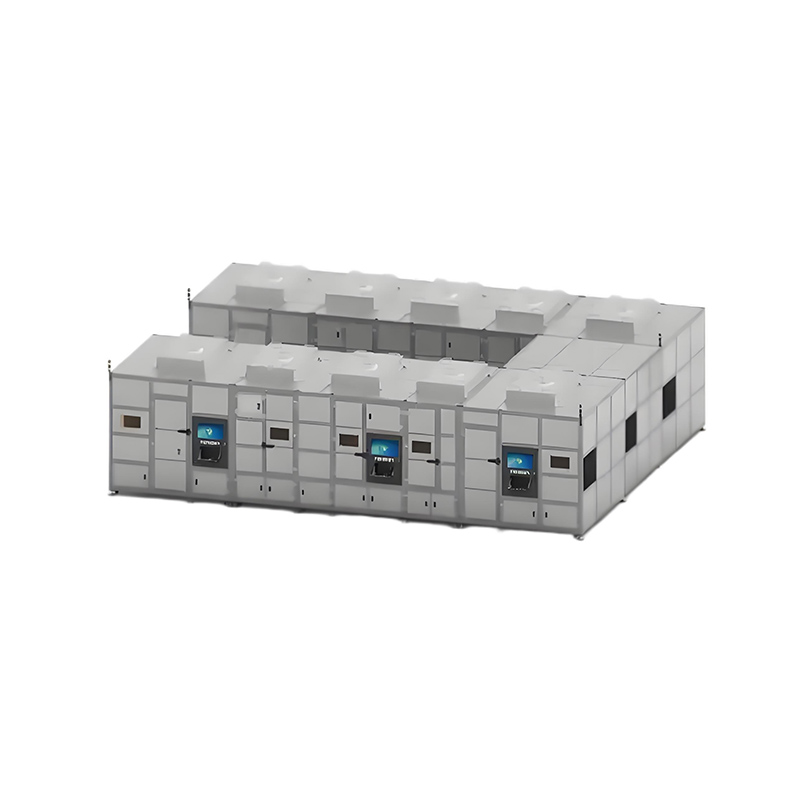
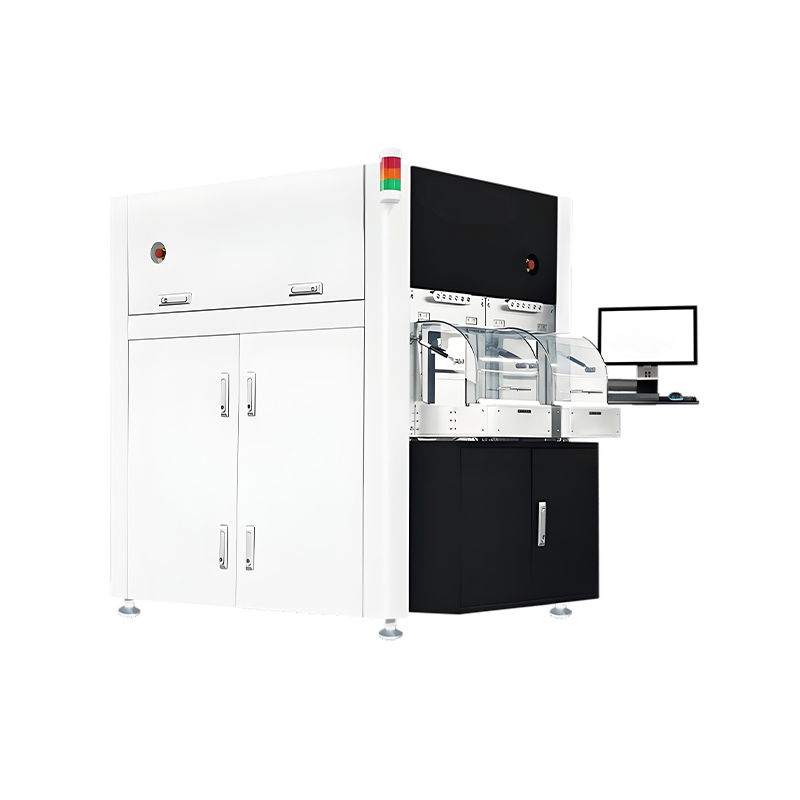
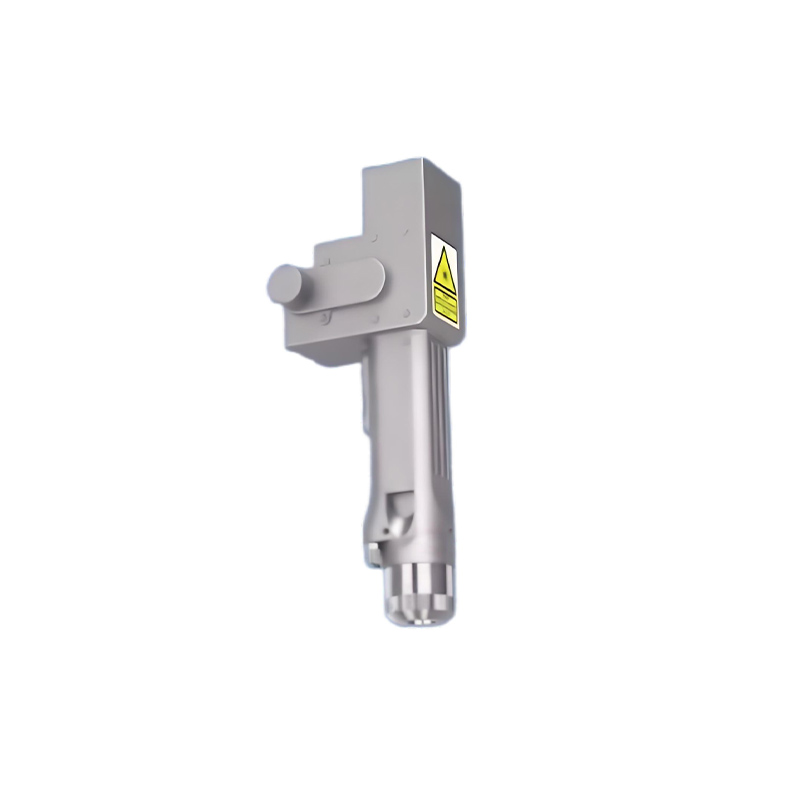
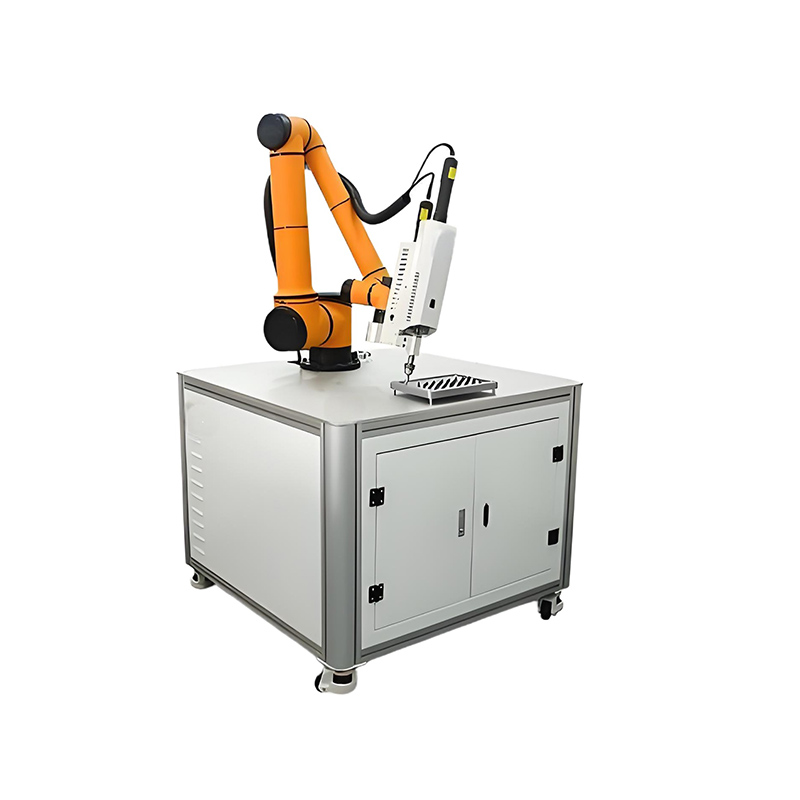
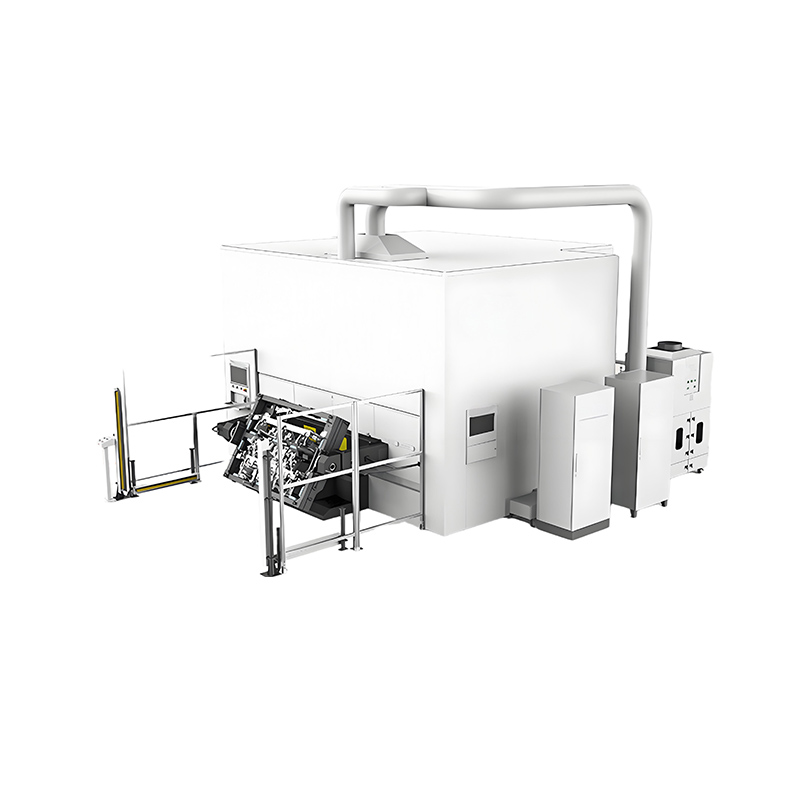
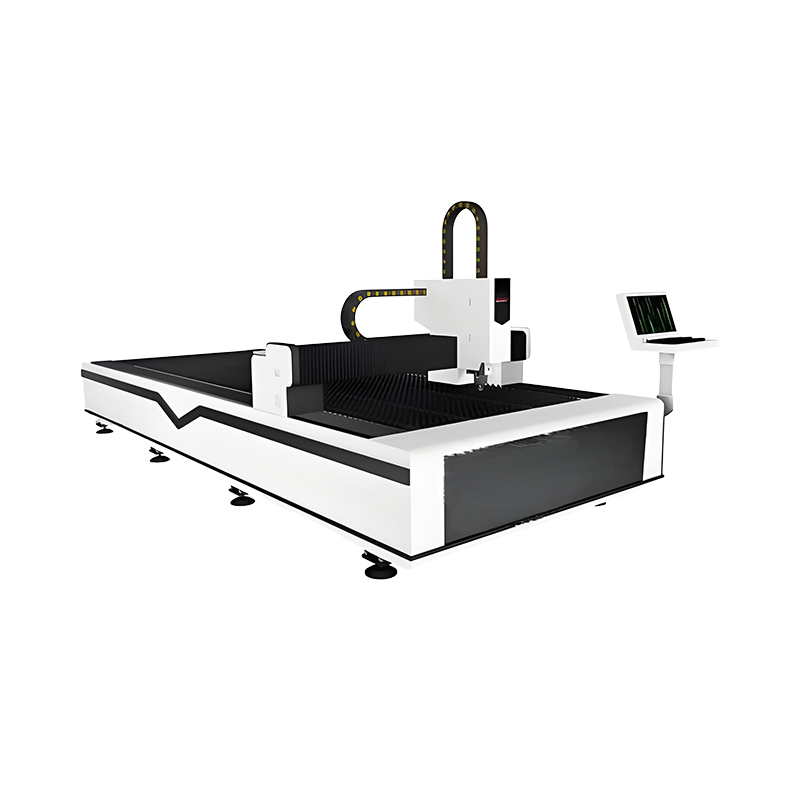
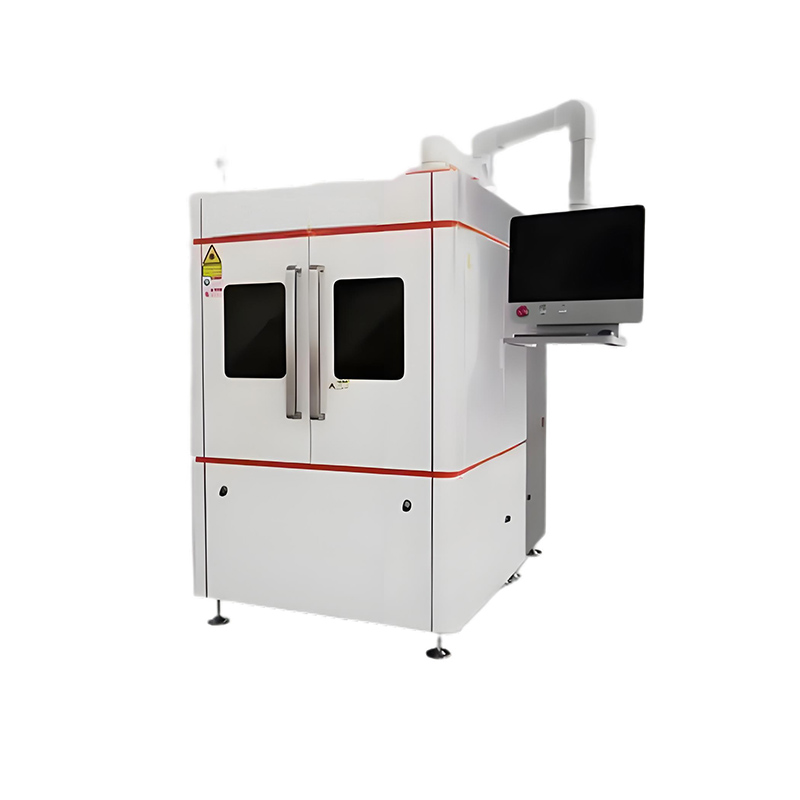
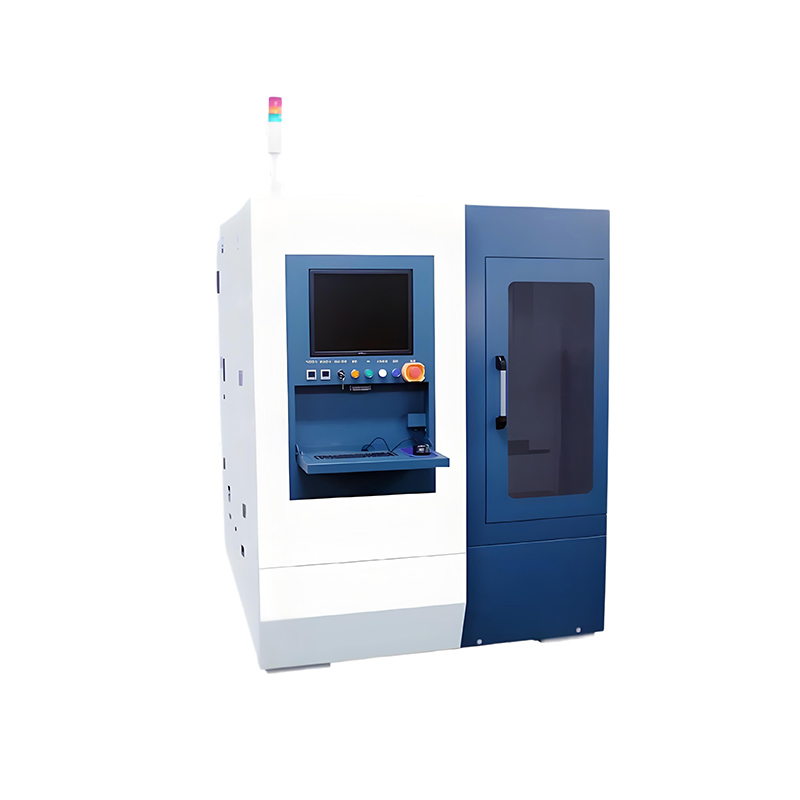
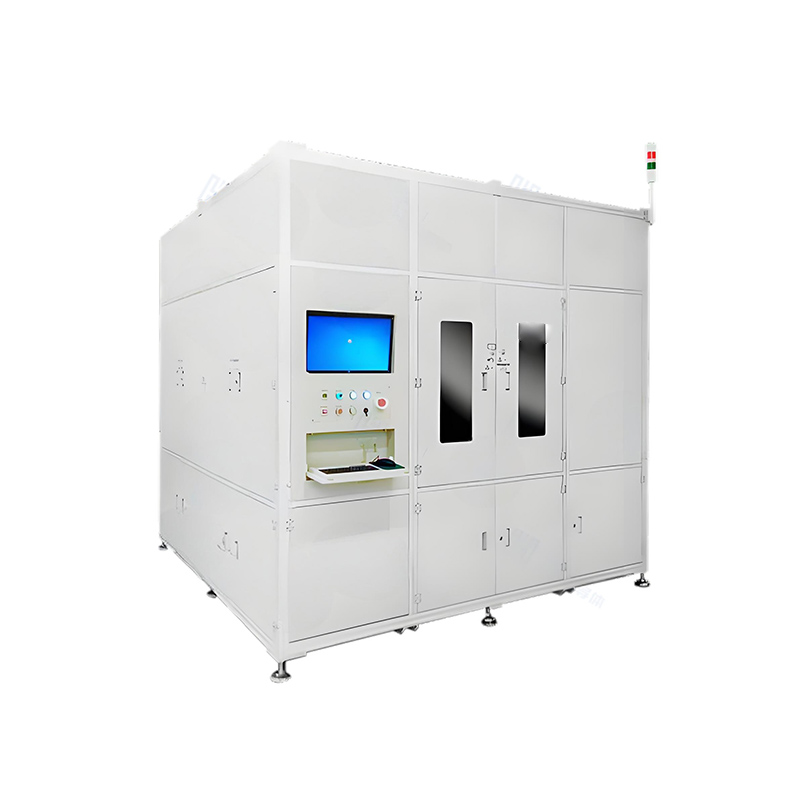
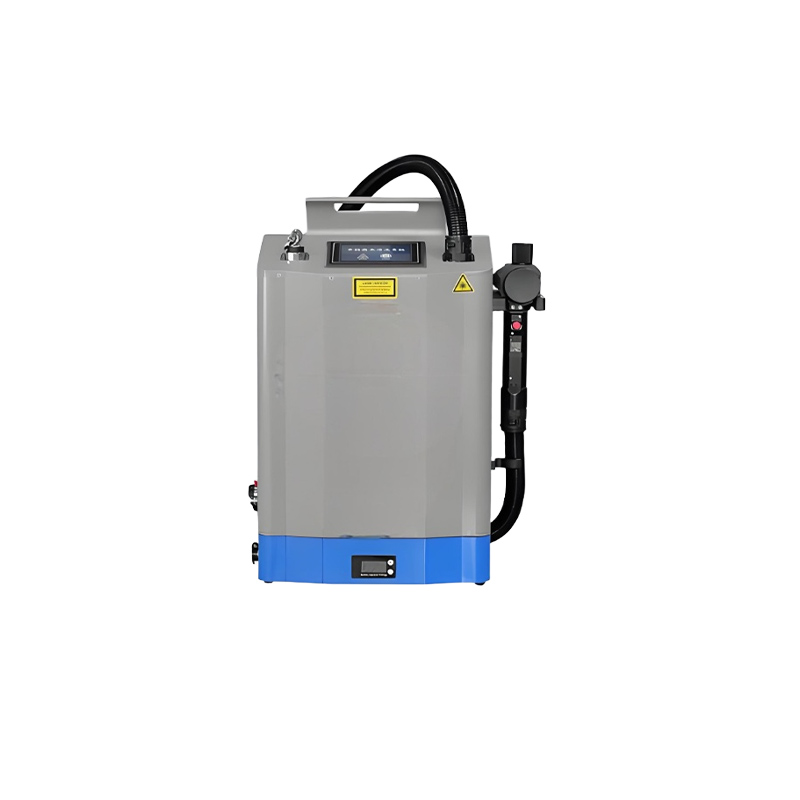
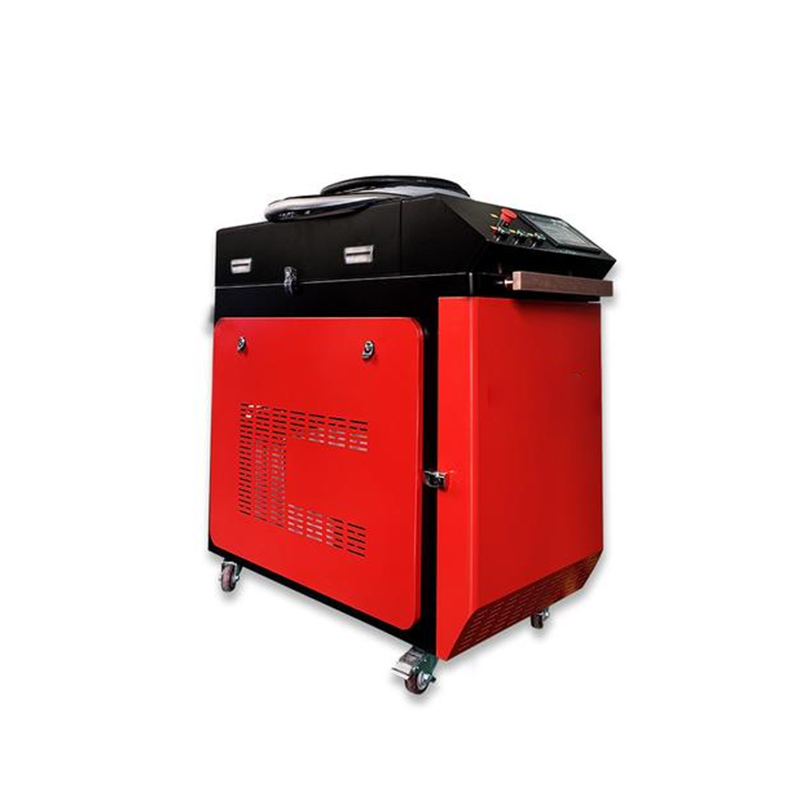
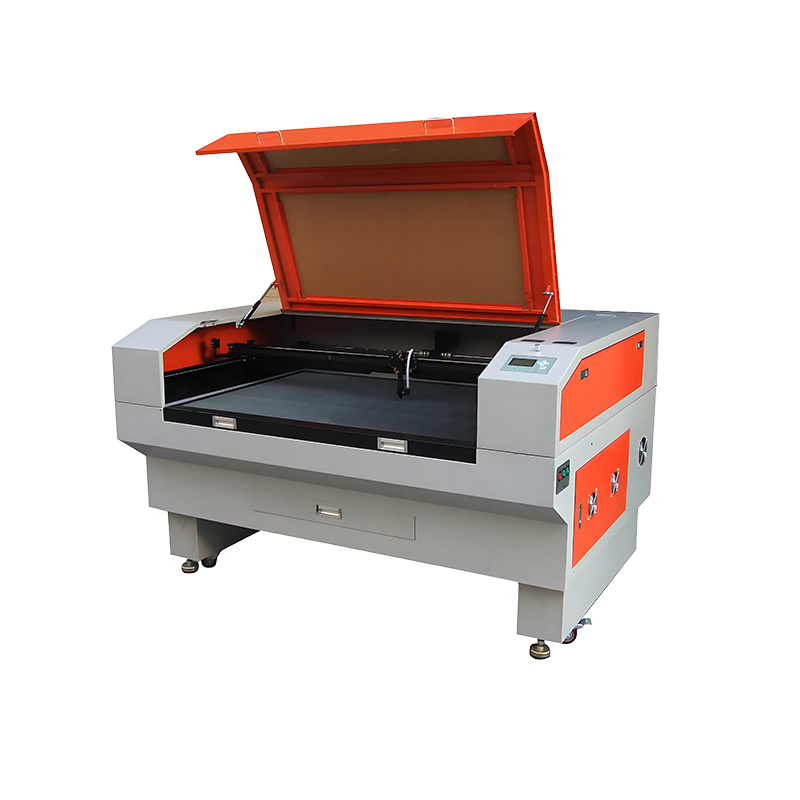
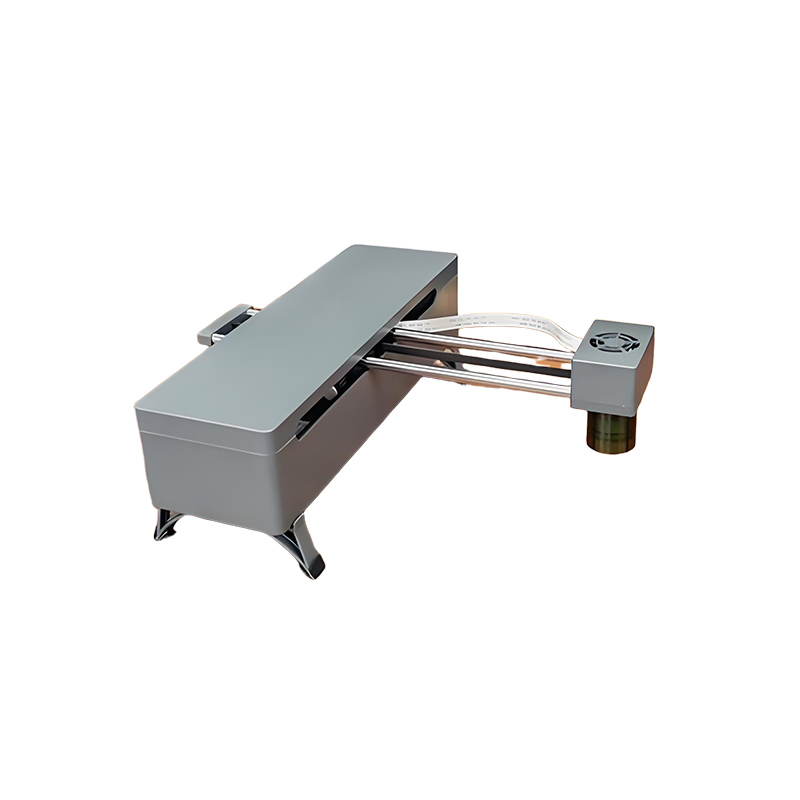
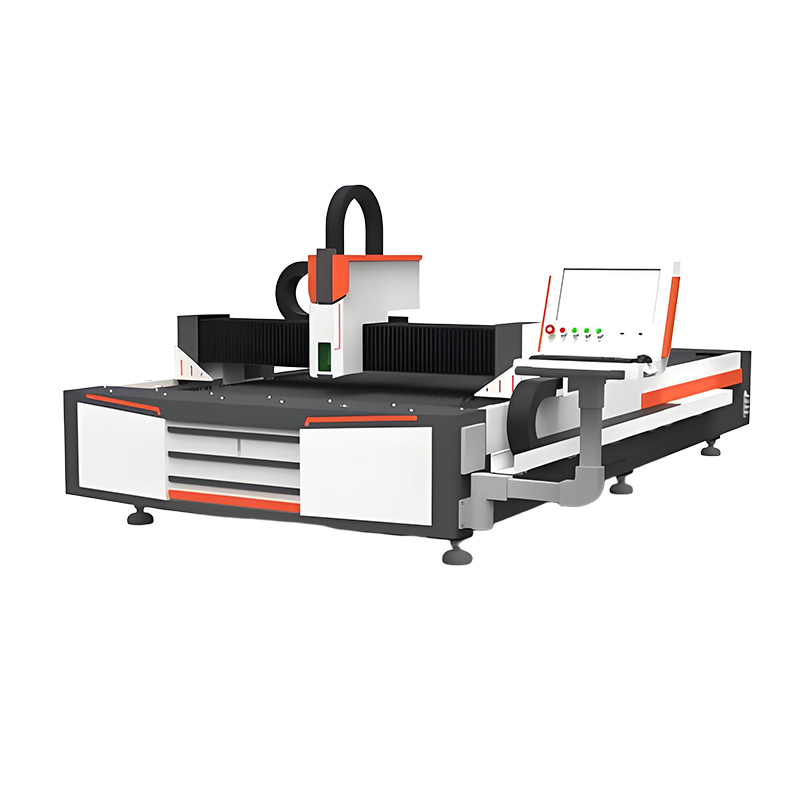
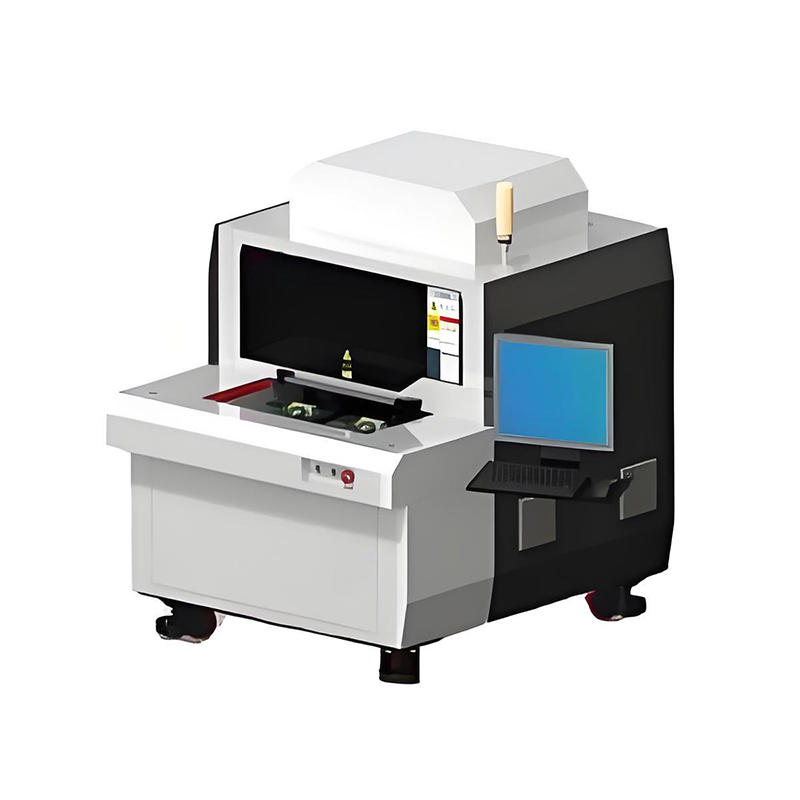
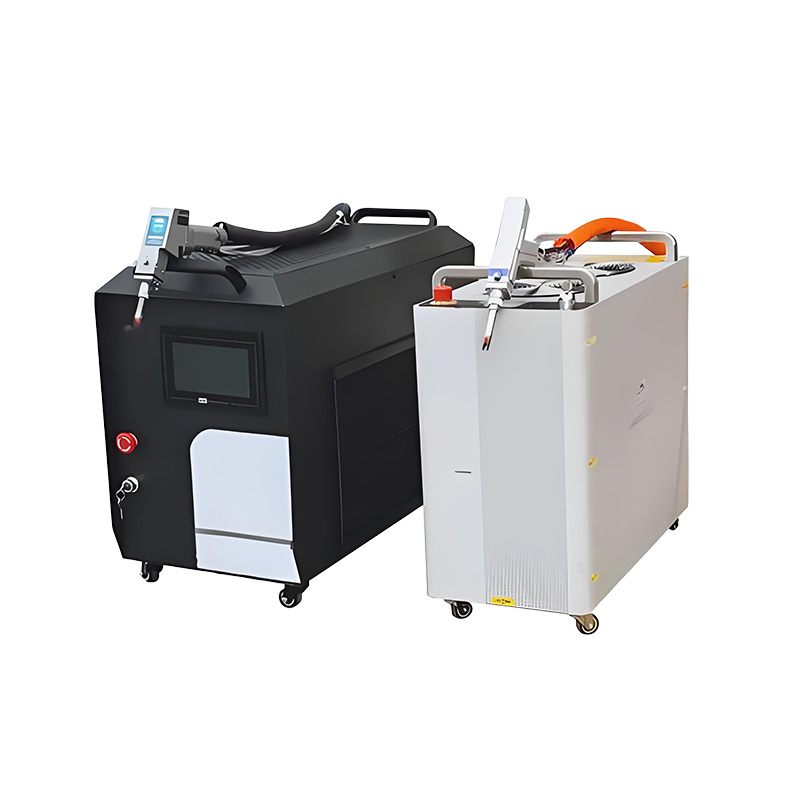

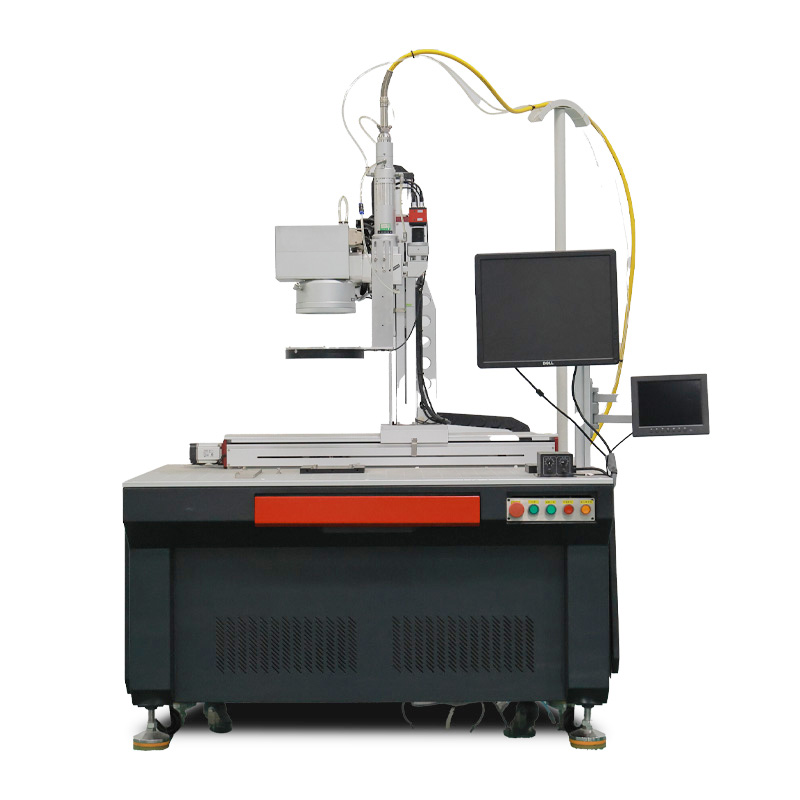
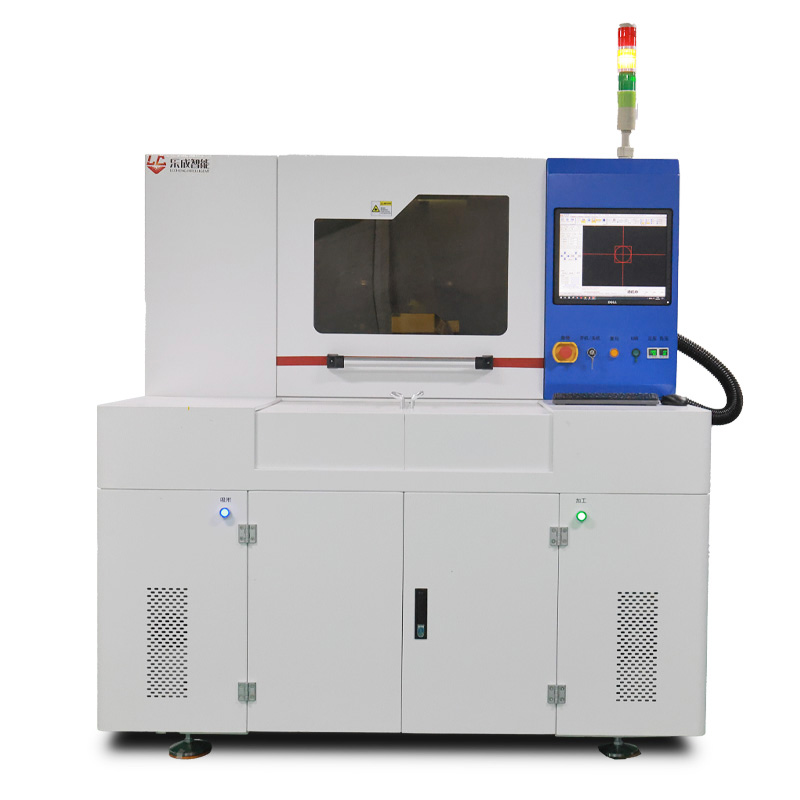
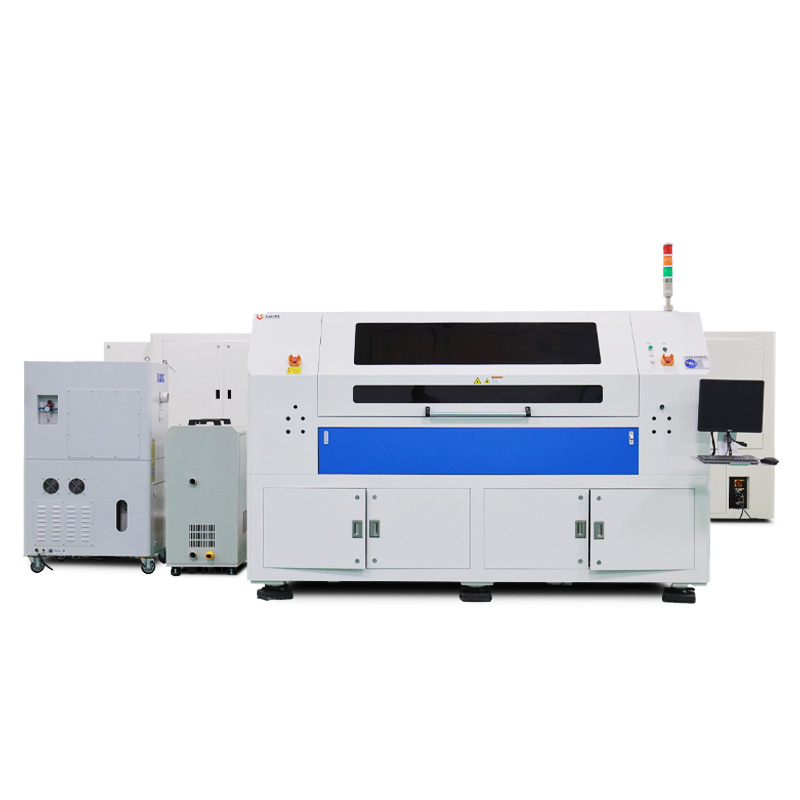

Laser cutting has altered the manufacturing industry in a modern world in terms of precision and efficiency in the processing of materials. From automotive parts to complex textile designs, various industries are embracing this technology to enhance productivity and quality. It is crucial to know the advantages of laser cutting, the most frequent problems and uses of this technology to enable businesses to optimize operations and lower expenses. Laser cutting is a high precision production method that involves cutting or etching of materials with a control beam of laser. It does not want mechanical force like the traditional ways of cutting, but it uses heat and light. CO2 Laser: Best for non-metal materials like wood, acrylic, and plastics. Fiber Laser: Ideal for metals, offering higher speed and efficiency. Nd:YAG Laser: Specialized for medical devices and fine metal cutting. Laser cutting minimizes material wastage, produces cleaner edges, and allows complex shapes impossible with mechanical cutters. Laser cutting has a variety of advantages and they include making precise and clean cuts as well as being more efficient hence it is the best option many industries can use. The laser cutting offers a very precise and clean cut hence it is ideal in industries that require accuracy. It also minimizes waste of materials and this saves money. Laser cutting can be used on a wide variety of materials, such as metals (steel, aluminum, and copper), plastics, acrylics, wood, MDF, and fabrics. It is capable of cutting intricate shapes and elaborate patterns that cannot be cut using the traditional cutting technique. Both small and large productions can be processed by laser cutting machines very quickly, which helps meet deadlines and enhance production. Automation also enhances efficiency as it minimizes manual labor. Laser cuts are clean and precise, and often require little or no finishing. This saves on labor and makes the material tough and unbroken. Although initial setup costs may be expensive, laser cutting will save money in the long run since it will save on labor expenses, material wastage as well as maintenance. Although laser cutting has been proven to be very effective, there are certain challenges that should be considered and being aware of how to overcome them, will make the work smooth and safe. Laser cutting machines are not cheap to purchase and install. To address this, businesses can take a phased approach and estimate the payback in terms of material savings and increased productivity. Other materials such as reflective metals or very thick sheets may be difficult to cut using lasers. The remedy lies in selecting the appropriate type of laser or finding alternative ways of cutting in cases of necessity coupled with laser cutting. The high powered lasers may consume excessive electricity that may make it expensive to operate. You can save energy by using more efficient systems and arranging the cutting path so that it does not use a lot of power. Laser cutting also generates heat and fumes, which can be hazardous unless properly managed. The workplace should be safe by having a well-ventilated system, safety measures, as well as adequate staff training. Laser cutting finds application in most industries due to its accuracy, speed and flexibility. It helps create accurate shapes, reduces material waste, and produces clean results. Automotive: Laser cutting is used in manufacturing of automotive parts such as body panels, gears and interiors to make accurate parts. It ensures that all parts fit accurately. Aerospace: In airplanes, laser cutting creates light and intricate components including turbine blades and panels. This aids in weight saving and performance. Electronics: Lasers can be used to cut circuit boards and other small electronic components. It slices materials at a very high level of accuracy without destroying them. Fashion & Textiles: Laser cutting is used in clothing and fabric work to produce finer patterns at a faster and more precise rate. It is easy to make unique and complex designs by designers. Signage & Advertising: Laser cutting is used to produce custom signs, logos and displays. It is able to cut most of the materials such as metal or acrylic in precise forms to brand them. Medical: Laser cutting has been used to make surgical instruments and medical equipment that have smooth edges and sharp lines in healthcare, which is relevant to safety and hygiene. In order to achieve a high cutting rate of laser, we should select the appropriate type of laser to use on a certain material and perform frequent maintenance to avoid downtime. Optimize cutting paths and minimize waste using highly developed design software, and train operators on best practices to ensure smooth and safe operations. Laser cutting is a revolutionary technology in contemporary industries owing to its numerous benefits. Laser cutting offers superior efficiency and flexibility with its high precision to low cost of labor. Businesses can maximize on this technology to grow by being aware of the possible pitfalls and putting up viable measures to address them. To have quality laser cutting solutions and consultation, La-Laser assists companies in manufacturing laser cutting systems that suit their individual needs. Q. What materials can laser cutting handle? Q. Is laser cutting better than water jet cutting? Q. How accurate is laser cutting? Q. Is laser cutting expensive?What is Laser Cutting?
Types of laser cutting systems
Difference from traditional methods
Key Advantages of Laser Cutting
High Precision and Accuracy
Versatility
Speed and Efficiency
Quality Finish
Cost-Effectiveness
Laser Cutting Challenges and How to Overcome Them
Initial Investment Costs
Material Constraints
Energy Consumption
Safety Considerations
Common Uses of Laser Cutting
Tips for Maximizing Laser Cutting Efficiency
Conclusion
FAQs
Laser cutting works on metals, plastics, wood, fabrics, and more. Each laser type is suited for specific materials.
Laser cutting offers higher precision and speed, while water jet is better for very thick materials or heat-sensitive items.
Modern laser systems can achieve tolerances as low as ±0.1 mm, making them highly precise.
Initial costs are high, but efficiency, minimal waste, and reduced labor make it cost-effective long-term.
40px
80px
80px
80px
Lecheng Intelligence Technology (Suzhou) Co., Ltd.
Электронная почта
jack@le-laser.comТелефон
+86-17751173582